








Daycare is needed for several important reasons, both practical and developmental:
- Parental Employment
- Work obligations: Most parents work full-time jobs and need a safe, reliable place for their children during working hours.
- Economic necessity: Dual-income households are often essential for financial stability, and single parents may not have other options.
- Child Development
- Social skills: Daycare exposes children to peers, helping them develop social interaction, cooperation, and communication skills.
- Structured learning: Quality daycare programs offer age-appropriate educational activities that promote cognitive and language development.
- Routine: Children benefit from the consistency and structure of daycare, which helps them feel secure and supports healthy habits.
- Support for Families
- Reduced stres: Reliable childcare helps reduce stress for parents, knowing their child is safe and engaged.
- Backup and flexibility: Daycares often offer full-day, part-time, or emergency care options, providing families with flexible support.
- Early Detection of Developmental Issues
- Trained caregivers can notice signs of developmental delays or behavioral concerns early, allowing parents to seek help sooner.
- Community and Support Network
- Daycare can be a source of social connection for both children and parents, building a sense of community and shared resources.
In short, daycare meets the dual needs of supporting working parents and fostering early childhood development in a safe, enriching environment.
Playgroup and nursery
programs in preschools are important because they lay the foundation for a child’s future learning, behavior, and emotional well-being. Here’s why they are needed:
- Early Socialization
- Learning to interact: Children learn to share, take turns, and cooperate with others.
- Building relationships: They begin to form friendships and understand group dynamics, which are key skills for school and life.
- Emotional Development
- Separation readiness: Attending playgroup/nursery helps children gradually adjust to being away from their primary caregivers.
- Confidence and independence: They gain a sense of self and autonomy through guided exploration and decision-making.
- Language and Communication Skills
- Speech development: Regular interaction with peers and teachers helps improve vocabulary, listening, and expressive language.
- Understanding instructions: They learn to follow simple directions, a key skill for later classroom environments.
- Cognitive and Motor Skill Growth
- Play-based learningActivities stimulate curiosity, creativity, and early problem- solving.
- Preparation for Formal Schooling
- Routine and structure: Children get used to a daily schedule with group time, snack time, and playtime, which mirrors primary school.
- Learning readiness: They begin to understand basic concepts like colors, shapes, numbers, and letters in a fun and informal way.
- Support for Parents
- Provides a trusted environment where children are safe, learning, and growing, while parents can focus on work or other responsibilities.
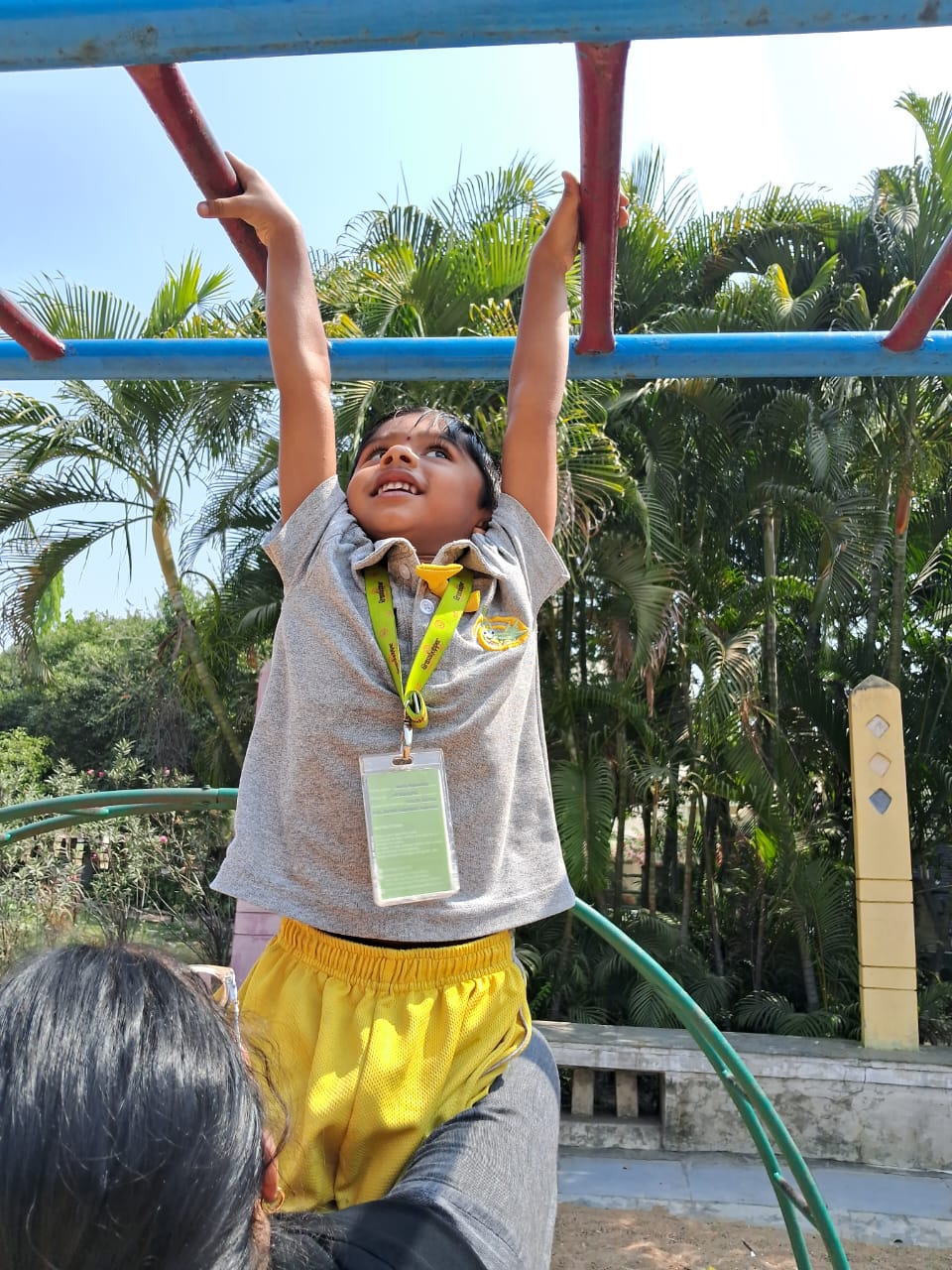
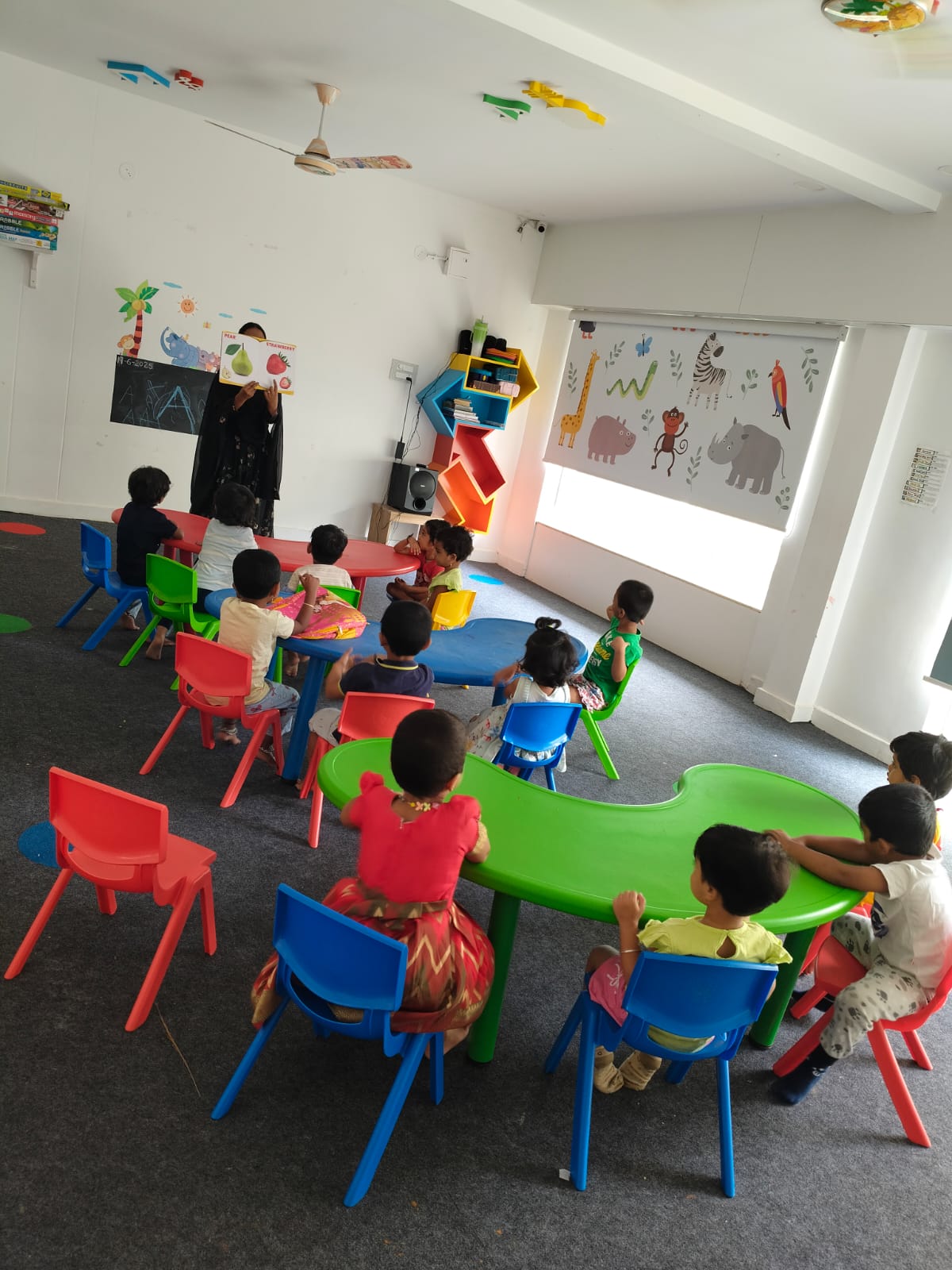
In Summary:
Playgroup and nursery are not just “daycare” — they are essential early learning stages that support the whole-child development: social, emotional, physical, and intellectual. They help children transition smoothly into more structured learning later in life.
Kindergarten plays a critical role in a child’s development by bridging the gap between informal early childhood experiences (like playgroup or nursery) and formal schooling. Here are the key benefits of kindergarten:
- Academic Readiness
- Foundational learning: Children are introduced to basic concepts in literacy, numeracy, science, and the arts in a fun, engaging way.
- Skill development: Focus on recognizing letters, numbers, patterns, and problem- solving builds early academic confidence.
- Social Development
- Peer interaction: Kids learn to share, cooperate, resolve conflicts, and build friendships.
- Group behavior: They develop the ability to listen, take turns, and follow group rules — crucial for primary school settings.
- Language and Communication Skills
- Vocabulary expansion: Constant conversation, storytelling, and group discussions boost speaking and listening skills.
- Expression and comprehension: Children learn to express their feelings, needs, and ideas more clearly and understand others better.
- Cognitive Growth
- Curiosity-driven learningActivities are designed to develop reasoning, observation, memory, and imagination.
- Exploration and experimentationChildren are encouraged to ask questions and explore through play and hands-on activities.
- Emotional and Behavioral Development
- Building independence: Kids learn to manage small responsibilities like packing bags, cleaning up, and choosing activities.
- Emotional regulation: Teachers help children identify and manage emotions, handle frustration, and build resilience.
- Structured Routine
- Understanding time and routine: A daily schedule helps children feel secure and understand the concept of time and order.
- Smooth transition to primary school: They become familiar with classroom behavior, expectations, and learning formats.
- Creativity and Imagination
- Arts and play-based learning: Music, dance, storytelling, crafts, and role-play help children express themselves freely and creatively.
- Parental Support and Early Intervention
- Teacher observations: Trained educators can spot early signs of learning difficulties or developmental delays.
- Parent-teacher collaboration: Regular communication helps parents support learning at home and stay involved.
In Summary:
Kindergarten provides a balanced mix of learning, play, and social development — all essential for a child’s smooth transition into formal schooling. It lays the groundwork for a lifelong love of learning, confidence, and positive school experiences.

Programs with Purpose
Activities stimulate curiosity, creativity, and early problem- solving.
Tiny feet. Big ideas. This isn’t day-care—it’s early discovery with intention. Sensory learning, early language, and social skill-building start here.
Pre-schooler’s dive deep into the world around them—building, storytelling, nature walks, art, and imaginative play. Every question is an opportunity.
This is where confidence takes off. Pre-literacy and numeracy meet emotional growth, independence, and leadership through project-based learning and real-world play.